Tracing Data Flows Linking Athletic Forecasts, Digital Arenas, and Table Play via Modern Banking Solutions
Zoe Russell · Nov 18, 2026
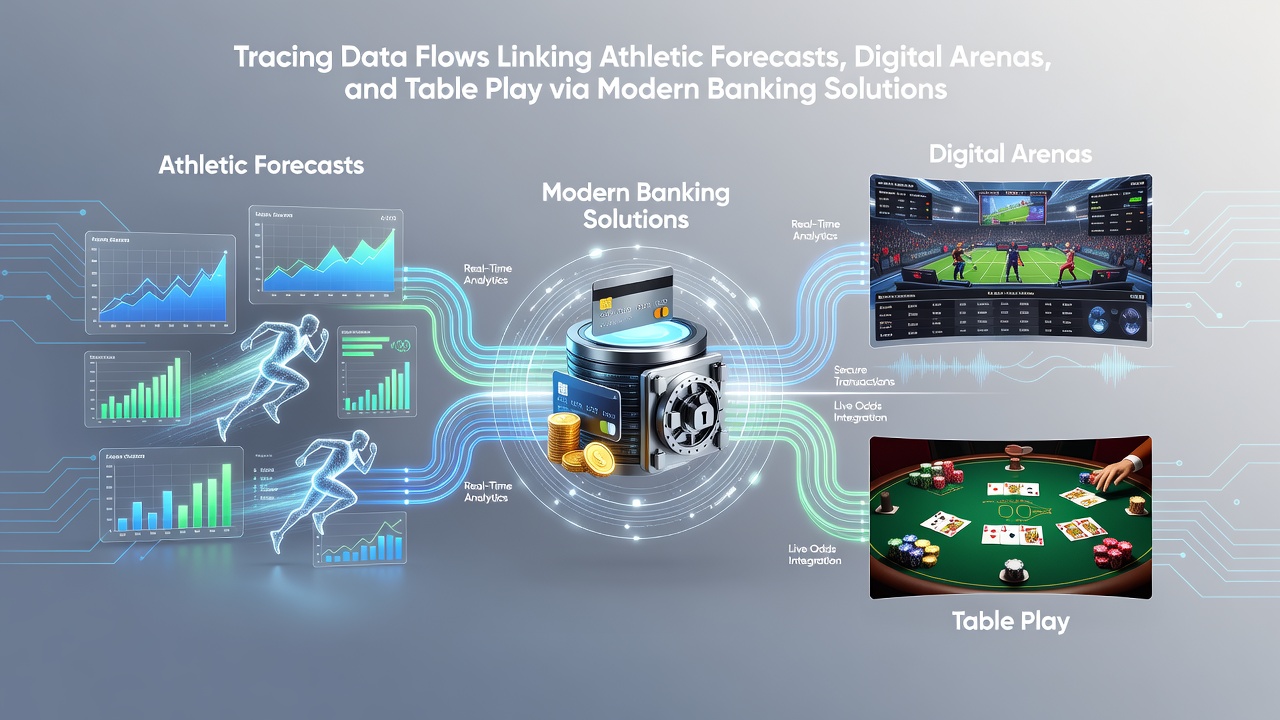
Tracing Data Flows Linking Athletic Forecasts, Digital Arenas, and Table Play via Modern Banking Solutions
Modern banking solutions now form the backbone that moves information between athletic forecasts, esports platforms, and casino table environments, and observers note how these systems handle live odds updates alongside instant deposit confirmations during November 2026. Real-time transaction networks push data packets from mobile apps to sportsbook servers while simultaneously routing payment authorizations to financial gateways, and this creates continuous loops where a wager placed on a football match can trigger balance adjustments that feed directly into casino game sessions.
Core Mechanisms of Data Integration
Banking infrastructure processes deposits and withdrawals through encrypted channels that link user accounts across different verticals, and researchers at industry bodies have documented how API endpoints synchronize betting ledgers wth payment processors in under two seconds for most major operators. When a bettor funds an account via digital wallet, the transaction record updates both the sportsbook risk engine and the casino bonus tracker at once, which allows promotional offers tied to one category to appear in another without manual intervention.
Live athletic forecasts generate constant streams of probability adjustments that banking systems must accommodate during peak events, whereas esports data flows introduce additional variables from virtual match servers that require separate validation protocols. Table play environments add further layers because card game outcomes and roulette spins generate their own micro-transaction logs that merge with the same user profile used for sports wagers.
Cross-Vertical Transaction Patterns in 2026
Figures from the American Gaming Association reveal that combined sports and casino sessions now represent a growing share of total handle, and these patterns emerge because instant transfer options reduce friction between categories. Bettors who move funds from an esports tournament win can immediately allocate portions to table game sessions, and the underlying payment rails track these movements through unique identifiers that prevent double-counting while maintaining audit trails.
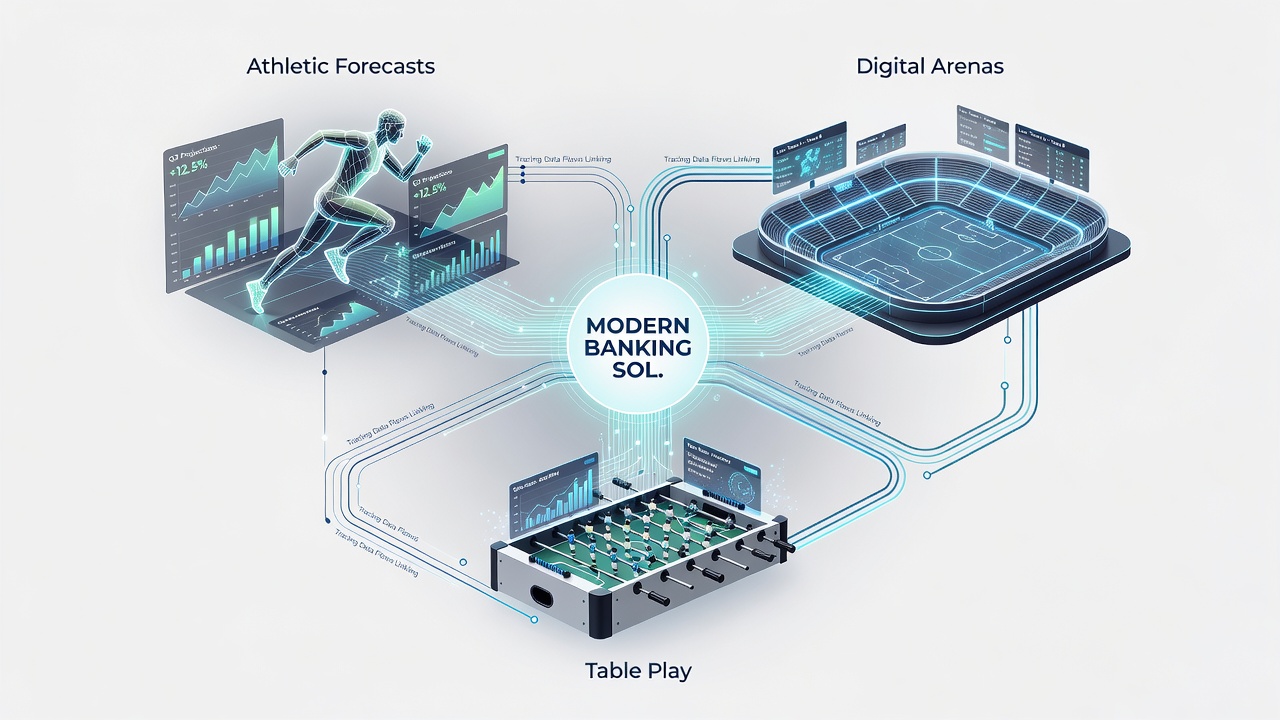
Payment networks employ tokenization methods that replace sensitive card details with temporary codes, and this approach lets operators maintain compliance across jurisdictions without exposing full financial records during high-volume periods. In November 2026, several platforms reported increased usage of these tokenized pathways during major esports tournaments that overlapped with traditional sports schedules, creating measurable spikes in cross-category activity.
Security Layers and Regulatory Alignment
Encryption protocols wrap each data packet that travels between athletic forecasting engines and banking gateways, while similar protections apply to casino table management systems that log every chip movement and bet resolution. Regulatory frameworks in multiple regions require operators to retain these records for set periods, and bodies such as the Alcohol and Gaming Commission of Ontario have issued guidelines that emphasize audit-ready data structures for integrated platforms.
Multi-factor authentication steps now sit inside the transaction flow itself, so a deposit intended for both a basketball wager and a subsequent blackjack round must pass verification once rather than repeatedly. This consolidation reduces drop-off rates while preserving the separation of funds required by licensing conditions in various markets.
Future Trajectory of Unified Data Ecosystems
Industry reports indicate that operators continue to expand the number of endpoints that connect sports, esports, and casino environments through single banking interfaces, and these expansions rely on standardized data schemas that allow third-party processors to route information without custom integrations for each vertical. As prediction markets gain traction ahead of major tournaments, the same payment rails that support traditional odds are being adapted to handle new asset classes that blend athletic and digital outcomes.
Those who monitor transaction volumes note that November 2026 has seen particular growth in regions where mobile banking apps already dominate daily financial activity, which accelerates the adoption of unified betting wallets. The result is a more interconnected environment where data from one domain directly influences availability and pricing in others without requiring separate user actions.
Conclusion
Banking solutions continue to serve as the connective tissue that carries information across athletic forecasts, digital arenas, and table play environments, and the patterns observed through 2026 demonstrate steady refinement of these linkages rather than abrupt shifts. Transaction logs, security protocols, and regulatory requirements together shape how data moves between categories, creating measurable efficiencies that operators and users both experience during routine activity.